





















The mill was very involved in the domestic life of its employees. The company would act as an agent between the employee and other businesses or individuals. For example, if an employee wanted some dental work done, the individual would allow the mill to withhold the cost of the dental work from his paycheck until the full amount due was accumulated and then mail it to the dentist for payment of services. This type of involvement in the community was common practice in any situation. Edward Hauss would act as judge and jury in disputes in the housing area. If one family in the quarters could not get along with another, he would try to settle the dispute but if the problem could not be solved, the family causing the problem would be forced to move out of the quarters.

The mill acted as an insurance
agent for workman's
compensation and death
benefits. In one case,
Edward Hauss had to
determine if whether or not
the wife of a deceased
employee was entitled to
his estate, or did it belong to
his ex-wife. In a case
concerning a divorce, an
employee, Fortre Lowe,
wanted to file for a divorce
and marry his girlfriend. But
the girlfriend was also married.
The two went to a lawyer
concerning the procedure and
were told that the cost of both divorces would be $75.00 for Fortre and $75.00 for his girlfriend. Fortre then went to the mill and asked the mill to withhold six installments from his pay and mail it to the attorney for both divorces.

The mill offered many other services to the community. One such service was free land and lumber to the needy. When the supply of lumber was good, the mill would donate lumber to worthy causes and needy individuals. In January 1934, Wesley Chapel was destroyed by fire. The mill provided the lumber for the new church. A source of revenue for the company was the practice of selling cleared timberland to farmers at the lowest possible price. Once the timber was cut, the mill would then sell the land to the public or settlers.

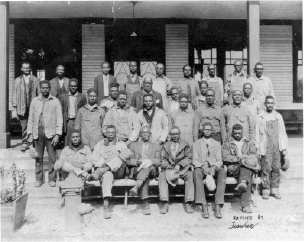
Early workers at Flomaton L&N Depot
(click picture to enlarge)

The Black Experience in Century

DOMESTIC LIFE

Next page

This page last modified on Wednesday, April 14, 2004