




















The black housing area was called the Company Quarters. The wood frame houses all sat in a row. In the black community the houses were not assigned according to social status or position at the mill as was done in the white housing area. In the white section, the type of house you lived in hinged on your status within the mill. The houses for the whites
differed in design and worth but the mill
saw to it that both housing areas were
always in good repair. The black housing
areas was located to the southwest of the
mill, separated from the white housing by
the millpond and the mill. In both housing
areas, rent was affordable and the mill
usually did not rent to individuals who
were not employees. In 1931, rent
ranged from $7.95 to $11.75 a month.

The commissary store, provided by the
mill, was the primary store for the
community. There were "mom and pop"
stores in the area; however, the mill
workers used the commissary because
food and household supplies could be
purchased with coupons that the mill
provided. The price of the coupons
was deducted from the workers' wages.

Everything in Century possessed a character and a life all its own and the hospital was no exception. Dr. Turberville founded the hospital and it served patrons whether they were black or white. Nevertheless, the hospital did not provide the only medical care within the community. Midwives were available for the delivery of children. Century has had four midwives throughout its history: Susie Jefferson, Ethel Maggie Gamble, Rosie Street and Ruth Paige. Ms. Susie Jefferson, from the Teaspoon days, is remembered as the first midwife in the area. Some say that she delivered over two thousand babies during her career.

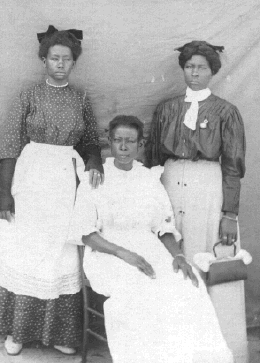
Names not known

The Black Experience in Century

HOUSING AND STORES

Next page

This page last modified on Wednesday, April 14, 2004